In today’s fast-moving design and construction environment, precision and coordination are essential. Projects are larger, timelines are tighter, and even small errors can lead to costly delays. This is where CAD drawing plays a vital role in supporting smarter design decisions and smoother construction execution.
Many professionals still ask: What is CAD drawing, and how is it different from CAD drafting ? This blog explains both concepts clearly, with a stronger focus on CAD drawing, and highlights how CAD drafting in construction supports accuracy, collaboration, and long-term project success.
What Is CAD Drawing?
What is CAD Drawing? CAD drawing refers to the technical process of creating detailed drawings using computer-aided design software instead of manual drafting tools. These drawings include measurements, annotations, symbols, and specifications required for construction.
CAD darwing converts design intent into structured documentation. While CAD drafting focuses on precision and technical standards, CAD drafting emphasizes visual clarity and detailed representation of construction elements. Together, they form the foundation of modern construction documentation.
At its core, CAD drafting ensures that designs are accurate, editable, and easy to communicate across teams.
The Growing Importance of CAD Drawing in Construction
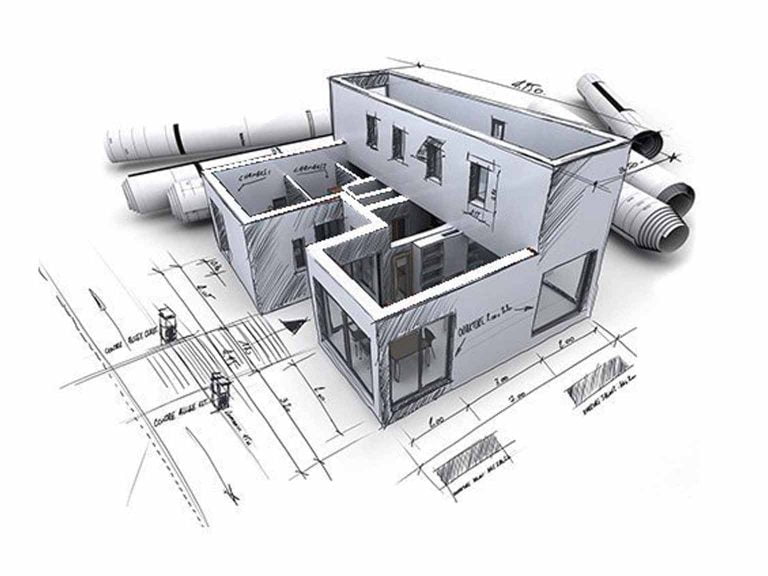
Before digital tools became common, drawings were created manually, making revisions slow and error-prone. With the adoption of CAD drawing in construction, the industry shifted toward faster workflows, improved coordination, and higher accuracy.
Today, CAD drafting is used extensively in residential, commercial, industrial, and infrastructure projects. From early planning to final execution, CAD drawings act as the primary reference for design intent and construction requirements.
As projects become more complex, CAD drafting continues to be essential for maintaining clarity and consistency throughout the construction lifecycle.
Why CAD Drawing Matters in Modern Design
Understanding what is CAD drawing is only part of the picture. The real value comes from how CAD drawing improves design quality and construction efficiency.
Improved Accuracy and Consistency
CAD drawing allows designers to work with precise dimensions and standardized elements. As a result, this level of accuracy reduces design conflicts and therefore ensures alignment between drawings and on-site execution.
Faster Design Updates
Design changes are inevitable. CAD drafting allows quick revisions, while CAD drafting ensures those updates are reflected clearly across all plans, sections, and details.
Clear Visual Communication
Well-prepared CAD drawings are easy to read and interpret. As a result, clear layouts, layers, and annotations reduce confusion on site and therefore help construction teams understand the design intent without misinterpretation.
Role of CAD Drawing in Construction Projects
CAD drawing in construction supports every stage of a project by providing reliable technical documentation.
Architectural CAD Drafting
Architectural CAD drawings define layouts, elevations, sections, and spatial planning. These drawings establish the building’s form, functionality, and compliance with design standards.
Structural CAD Drafting
Structural CAD drawings focus on foundations, beams, columns, and load-bearing elements. As a result, accurate CAD drafting ensures safety, stability, and properly coordinates these elements with architectural designs.
MEP CAD Drawing
Mechanical, electrical, and plumbing systems rely heavily on coordinated CAD drawings. As a result, detailed CAD drafting helps avoid clashes between services and therefore improves installation efficiency on site.
How CAD Drafting Supports Smarter Construction
Smart construction depends on minimizing risk, saving time, and controlling costs. In this context, CAD drafting in construction directly contributes to achieving these goals.
Reduced Errors and Rework
Clear CAD drawings reduce ambiguity and therefore help contractors execute work correctly the first time, thereby minimizing rework and delays.
Better Collaboration
CAD drafting provides a shared digital platform where architects, engineers, and contractors work from the same set of drawings. As a result, this improves coordination and supports better decision-making.
Time and Cost Efficiency
As a result, accurate CAD drafting speeds up approvals, improves planning, and reduces material waste, thereby leading to better cost control and more predictable project timelines.
Key Benefits of CAD Drawing for the Construction Industry
- Higher drawing accuracy and standardization
- Faster design and approval cycles
- Improved coordination between disciplines
- Better compliance with codes and regulations
- Reliable documentation for future maintenance
These benefits explain why CAD drafting and CAD drafting are now industry standards.
CAD Drawing vs Manual Drawing
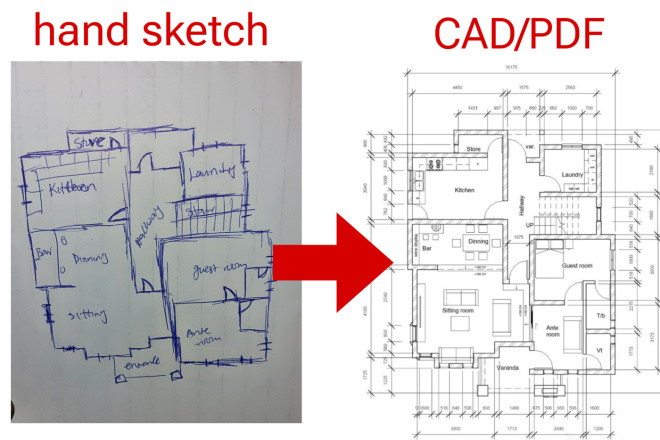
Manual drawing is time-consuming and difficult to revise. In contrast, CAD drawing allows easy updates, reuse of drawings, and precise documentation. CAD drafting also improves visual clarity, making it more suitable for modern construction workflows.
Long-Term Value of CAD Drawing
Beyond construction, CAD drawings serve as long-term records for renovations, expansions, and facility management. As a result, well-structured CAD drafting ensures that accurate data remains available long after project completion.
Who Uses CAD Drawing and CAD Drafting?
- Architects
- Structural engineers
- MEP consultants
- Contractors
- Developers and project managers
Each professional relies on CAD drawings to make informed decisions throughout the project lifecycle.
Choosing the Right CAD Drawing Support
Many companies rely on professional CAD Drawing Services in the USA to maintain quality, accuracy, and scalability. At CAD Drawing Services US, our work is delivered by skilled experts with years of hands-on industry experience across architectural, structural, and MEP projects. With over 29 years of experience across multiple industries, we therefore help firms streamline workflows while consistently delivering accurate, compliant, and reliable documentation.
As a result, partner with CAD Drafting Services US to outsource your CAD drafting with confidence and thereby focus on what matters most, your core operations.
FAQs
CAD drafting is used to create precise technical drawings that support architectural, structural, and MEP construction work.
CAD drawing improves clarity, reduces errors, and ensures accurate communication between design and construction teams.
CAD drafting enables faster revisions, better coordination, and accurate documentation, leading to efficient project execution.
CAD drawing is widely used in construction, architecture, engineering, manufacturing, and infrastructure development.
CAD drafting focuses on technical accuracy and standards, while CAD drawing emphasizes detailed visual representation for construction use.