Construction documentation is the backbone of every successful project. From early design stages through on-site execution, clear and accurate documentation ensures that architects, engineers, contractors, and stakeholders remain aligned. In this context, one of the most effective tools for achieving this level of clarity is the use of CAD drawings for construction documentation.
As construction projects grow in scale and complexity, relying on manual or loosely coordinated documentation methods increases the risk of errors, delays, and cost overruns. This is where CAD drawings play a critical role in improving documentation accuracy, coordination, and overall project efficiency.
Why Construction Documentation Accuracy Matters
Construction documentation communicates design intent, technical requirements, and execution details. However, any ambiguity in documentation can lead to misinterpretation on site, which in turn results in rework, RFIs, or construction delays.
Accurate construction documentation CAD drawings help ensure that:
- All project stakeholders work from the same information
- Design changes are clearly reflected
- Site teams can execute work without constant clarification
Without structured CAD documentation, even well-designed projects can face avoidable challenges.
What Are CAD Drawings in Construction Documentation?
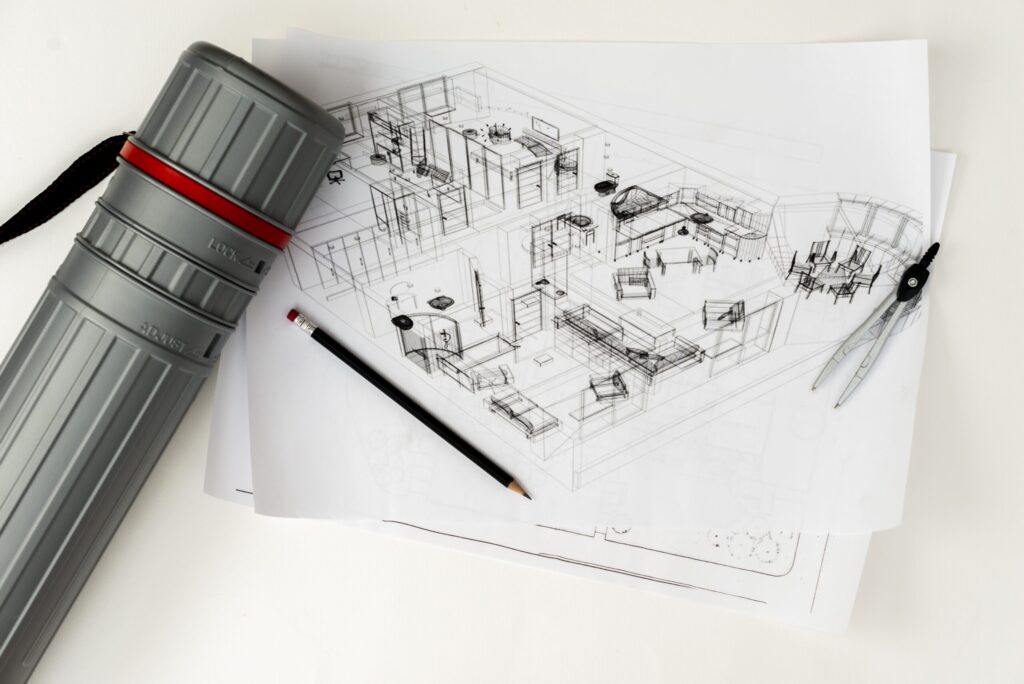
CAD drawings are digital representations of construction elements created using computer-aided design software. As such, these drawings form the foundation of modern construction documentation and typically include plans, sections, elevations, details, and schedules.
In construction projects, CAD drawings in construction are used to:
- Define dimensions and layouts
- Coordinate multiple disciplines
- Document materials and specifications
- Support approvals and permits
In doing so, they replace manual drafting methods with precise, editable, and scalable documentation.
How CAD Drawings Improve Construction Documentation
Improved Accuracy and Consistency
One of the primary benefits of CAD drawings is accuracy. In comparison to manual methods, digital drafting minimizes human error associated with traditional documentation.
Using CAD drawings for accurate construction documentation ensures:
- Consistent dimensions and annotations
- Uniform drawing standards across sheets
- Reduced risk of conflicting information
This level of precision is essential for construction teams relying on drawings for execution.
Better Coordination Between Disciplines
Modern construction projects involve architectural, structural, and MEP systems working together. However, a lack of coordination between disciplines is a common cause of documentation errors.
CAD drawings support better coordination by allowing teams to:
- Overlay multiple disciplines
- Identify conflicts early
- Maintain alignment across drawings
This coordination improves documentation reliability and reduces on-site issues.
Faster Updates and Revisions
Design changes are inevitable. As a result, manual documentation often struggles to keep pace with revisions and therefore leads to outdated drawings remaining in circulation.
With CAD documentation:
- Revisions are updated quickly
- Changes are tracked and documented
- Teams always work from the latest drawings
This flexibility improves overall construction workflows and reduces confusion.
Standardization Across Projects
Standardization is a key factor in documentation quality. In this regard, CAD drawings allow firms to use templates, layers, and symbols consistently across projects.
Standardized CAD documentation services help:
- Maintain drawing quality
- Improve readability
- Reduce onboarding time for new team members
Consistency directly improves project efficiency and collaboration.
CAD Drawings vs Traditional Construction Documentation
Traditional documentation methods rely heavily on manual drafting, static files, and disconnected workflows. As a result, these approaches often lead to:
- Inconsistent documentation
- Difficulty managing revisions
- Increased risk of errors
In contrast, CAD drawings offer dynamic, scalable, and coordinated documentation. This makes CAD drawings vs manual construction documentation a clear comparison in favor of digital workflows for modern projects.
Role of CAD Drawings in Construction Project Phases
Design Development Phase
During design development, CAD drawings help refine layouts, dimensions, and technical details. Accurate documentation at this stage reduces downstream changes.
Construction Documentation Phase
At this stage, this is where CAD drawings become most critical. Specifically, detailed drawings guide construction teams on materials, assemblies, and execution methods.
Using CAD drawing services for construction ensures documentation is construction-ready and compliant with standards.
Construction and Site Execution
On site, contractors rely on CAD drawings to interpret design intent. As a result, clear documentation minimizes RFIs and therefore supports smoother execution.
Benefits of CAD Drawings for Contractors and Builders
For contractors, documentation clarity directly impacts productivity and cost control. In this context, CAD drawings for contractors provide:
- Clear instructions for site teams
- Reduced guesswork
- Faster decision-making
Accurate drawings also help builders plan sequencing, procurement, and coordination more effectively.
How CAD Drawings Reduce Errors and Rework
Errors in construction documentation often surface during execution, when fixes are costly. CAD drawings help reduce these issues by:
- Highlighting inconsistencies early
- Improving cross-discipline coordination
- Ensuring drawing accuracy
As a result, this directly contributes to improved project efficiency and reduced rework.
Supporting Compliance and Approvals
Construction documentation must meet regulatory and client requirements. Accordingly, CAD drawings help ensure:
- Compliance with local codes
- Clear documentation for approvals
- Faster review cycles
As a result, accurate documentation reduces the risk of rejected submissions or permit delays.
Integration With Modern Construction Workflows
CAD drawings integrate seamlessly with other digital tools and workflows. As a result, they support:
- BIM coordination
- Quantity takeoffs
- Construction planning
As a result, this integration strengthens the role of CAD in comprehensive construction documentation strategies.
When Construction Projects Benefit Most From CAD Drawings
CAD drawings are especially valuable when:
- Projects involve multiple disciplines
- Design changes are frequent
- Accuracy and coordination are critical
- Timelines are tight
In such cases, CAD documentation therefore improves control and predictability.
Choosing the Right CAD Documentation Approach
Not all CAD drawings are created equal. For this reason, effective construction documentation requires:
- Experienced drafting teams
- Clear standards and workflows
- Quality review processes
Partnering with professionals who understand CAD drawings in construction ensures documentation supports project goals rather than creating obstacles.
Why Professional CAD Support Enhances Documentation Quality
While CAD software provides tools, expertise determines outcomes. Professional teams understand how to structure drawings, manage revisions, and maintain consistency across documentation sets.
Working with experienced providers of CAD drawing services for construction therefore helps firms maintain accuracy, while also reducing errors and improving collaboration across projects.
How CAD Drawings Improve Long-Term Project Efficiency
Beyond individual projects, standardized CAD documentation improves long-term efficiency by:
- Creating reusable templates
- Supporting consistent workflows
- Reducing training time
This scalability makes CAD documentation a strategic asset for growing construction firms.
Making CAD Drawings a Core Part of Documentation Strategy
As construction demands increase, relying on clear, accurate, and coordinated documentation becomes non-negotiable. Consequently, CAD drawings support better communication, resulting in fewer errors and ensuring smoother execution across all project phases.
If your organization is looking to strengthen construction documentation, improve accuracy, and support efficient project delivery, leveraging professional CAD expertise can make a measurable difference. CAD Drawing Services provided by experienced teams help ensure your documentation is clear, coordinated, and ready for construction.
FAQs
CAD drawings improve documentation by increasing accuracy, consistency, and coordination across all project disciplines.
CAD drawings provide clear, detailed instructions that reduce errors, RFIs, and delays during construction.
Yes. Accurate CAD drawings identify conflicts early, reducing costly rework during execution.
CAD drawings offer greater precision, flexibility, and revision control compared to manual documentation methods.
Clear and standardized CAD documentation helps meet regulatory requirements and speeds up approval processes.
CAD drawings should be used throughout the design, documentation, and construction phases for consistent accuracy.