CAD drawing standards play a critical role in how design and construction projects are planned, reviewed, approved, and built across the USA. From architectural layouts to engineering coordination drawings, consistent standards secure accuracy, clarity, and compliance throughout the project lifecycle.
As USA construction projects become more complex and multi-disciplinary, following proven CAD drawing best practices is no longer optional. Poorly structured CAD drawings lead to coordination errors, RFIs, rework, and approval delays. This guide explains the most important CAD standards and best practices every USA design and construction team should follow to improve quality and project outcomes.
Why CAD Drawing Standards Matter in U.S. Construction Projects
In the U.S. AEC industry, CAD drawings serve as technical, legal, and coordination documents. Local authorities, consultants, contractors, and fabricators depend on them to interpret design intent accurately.
When CAD standards for construction drawings are not followed, teams often face:
- Misinterpretation of design details
- Inconsistent drawings across disciplines
- Delays during permitting and approvals
- Increased construction errors and change orders
Adhering to CAD drafting standards in the USA helps teams create drawings that are consistent, readable, and ready for coordination across structural, architectural, and engineering disciplines.
Core CAD Drawing Standards Used in the United States
While firms may have internal CAD manuals, most U.S. projects follow a combination of industry-recognized standards.
Architectural CAD Drawing Standards
Architectural CAD drawing standards focus on layout clarity, scale consistency, and annotation accuracy. These standards ensure that contractors and consultants easily understand floor plans, elevations, and sections.
Key principles include:
- Clear room naming and numbering
- Consistent use of symbols and hatch patterns
- Proper dimension placement and spacing
- Standardized title blocks and sheet organization
Engineering CAD Drafting Standards
Engineering CAD drafting standards apply to structural, civil, electrical, mechanical, and plumbing drawings. These standards emphasize precision, coordination, and constructability.
They typically require:
- Accurate lineweights for different systems
- Clear differentiation between existing and new work
- Consistent notation for materials and assemblies
- Alignment with architectural base drawings
Adhering to CAD standards for engineers and architects guarantees that all disciplines operate from coordinated and conflict-free designs.
CAD Layer Standards: The Foundation of Organized Drawings
One of the most important but often overlooked aspects of CAD drawing best practices is proper layer management.
CAD Layer Standards and Naming
Using consistent CAD layer standards allows teams to control visibility, printing, and coordination efficiently. Well-defined CAD layer naming standards make drawings easier to review and modify, especially on large projects.
Best practices include:
- Discipline-based prefixes for layers
- Clear separation of annotations, dimensions, and geometry
- Standardized color and lineweight assignments
- Avoiding unnecessary or duplicate layers
Proper layering significantly helps reduce coordination issues and improves collaboration between design teams.
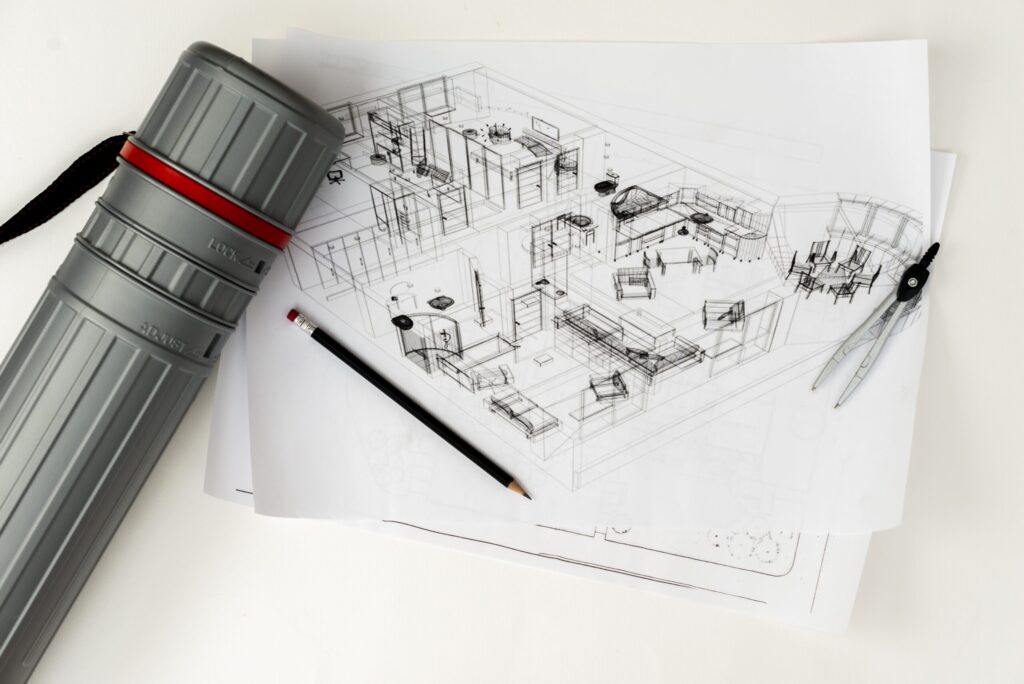
Lineweights, Annotation, and Dimensioning Standards
Lineweight Standards in CAD Drawings
Correct lineweight usage is essential for drawing readability. Lineweight standards in CAD drawings help users quickly distinguish between primary elements, secondary details, and reference information.
Typical conventions include:
- Heavier lines for structural and exterior elements
- Medium lines for walls and major components
- Lighter lines for dimensions, notes, and grids
Annotation Standards for CAD Drawings
Clear and consistent annotation improves understanding across teams. Annotation standards for CAD drawings define text styles, sizes, leader placement, and notation formats.
Effective annotation practices:
- Use standard fonts and text heights
- Maintain consistent note placement
- Avoid overcrowding drawings with excessive notes
- Keep terminology uniform across sheets
Dimensioning Standards in CAD Drafting
Following dimensioning standards in CAD drafting ensures that measurements are clear, accurate, and unambiguous.
Best practices include:
- Dimensioning to finished surfaces where required
- Avoiding duplicate or conflicting dimensions
- Keeping dimensions readable at the plotted scale
- Using consistent units throughout the drawing set
CAD File Organization Best Practices for U.S. Projects
Strong CAD documentation standards extend beyond drafting to encompass how files are structured and managed.
CAD File Organization Best Practices
Well-organized files improve productivity and reduce errors during revisions. CAD file organization best practices include:
- Standard folder structures for drawings, references, and exports
- Clear file naming conventions with version control
- Proper use of external references (Xrefs)
- Regular cleanup of unused blocks and layers
Organized files facilitate smoother coordination and expedite the turnaround during project updates.
Tools That Help Maintain CAD Standards
Modern CAD workflows benefit from tools that enforce consistency and quality.
Useful tools include:
- CAD standards checkers within AutoCAD-based platforms
- Custom layer and block libraries
- Template files with pre-defined standards
- Automated scripts for layer and annotation checks
These tools help teams apply CAD drafting best practices consistently across projects.
Standard CAD Drawing Checklist for Quality Control
A standard CAD drawing checklist helps teams review drawings before submission and construction use.
Typical checklist items include:
- Compliance with CAD drawing standards
- Correct layer usage and naming
- Consistent lineweights and annotations
- Accurate dimensions and scales
- Clean file structure with no unused elements
Using a checklist helps reduce CAD drawing errors and improves overall drawing quality.
How CAD Standards Improve Coordination and Reduce Errors
Consistently applying CAD drawing standards leads to:
- Better coordination between disciplines
- Fewer RFIs during construction
- Faster approvals from authorities
- Improved trust with contractors and clients
For U.S. design and construction teams, standardized CAD workflows directly translate into cost savings and smoother project delivery.
Why Consistent CAD Standards Matter Across U.S. Projects
Following established CAD standards for construction drawings is essential for every U.S. design and construction team. From layer organization to annotation clarity, disciplined CAD practices improve accuracy, coordination, and project success.
As projects scale and timelines tighten, standardized CAD workflows become a competitive advantage rather than just a technical requirement.
How to Maintain Standards Without Slowing Down Delivery
If your team needs consistent, standards-compliant CAD support for U.S. projects, working with experienced CAD professionals can help you maintain quality while meeting deadlines. Explore how dedicated CAD drafting support can strengthen your project documentation and coordination.
FAQs
CAD drawing standards are a set of rules that define how drawings are created, organized, and presented to ensure clarity, consistency, and accuracy.
CAD drafting standards USA help ensure compliance with local regulations, improve coordination across disciplines, and reduce construction errors.
Key practices include proper layer standards, consistent lineweights, clear annotation, accurate dimensioning, and organized file management.
Yes. Architectural CAD drafting standards focus on layouts and presentation, while engineering CAD drafting standards emphasize precision, systems coordination, and constructability.
Teams can reduce errors by following CAD standards, using checklists, maintaining clean files, and applying consistent drafting workflows.